Non-invasive thermal imaging that detects electrical hazards before they become failures. NFPA 70B compliant. No shutdowns required. Full detailed reports with every inspection.
Same-week scheduling available
No obligation. We respond within 1 business day.
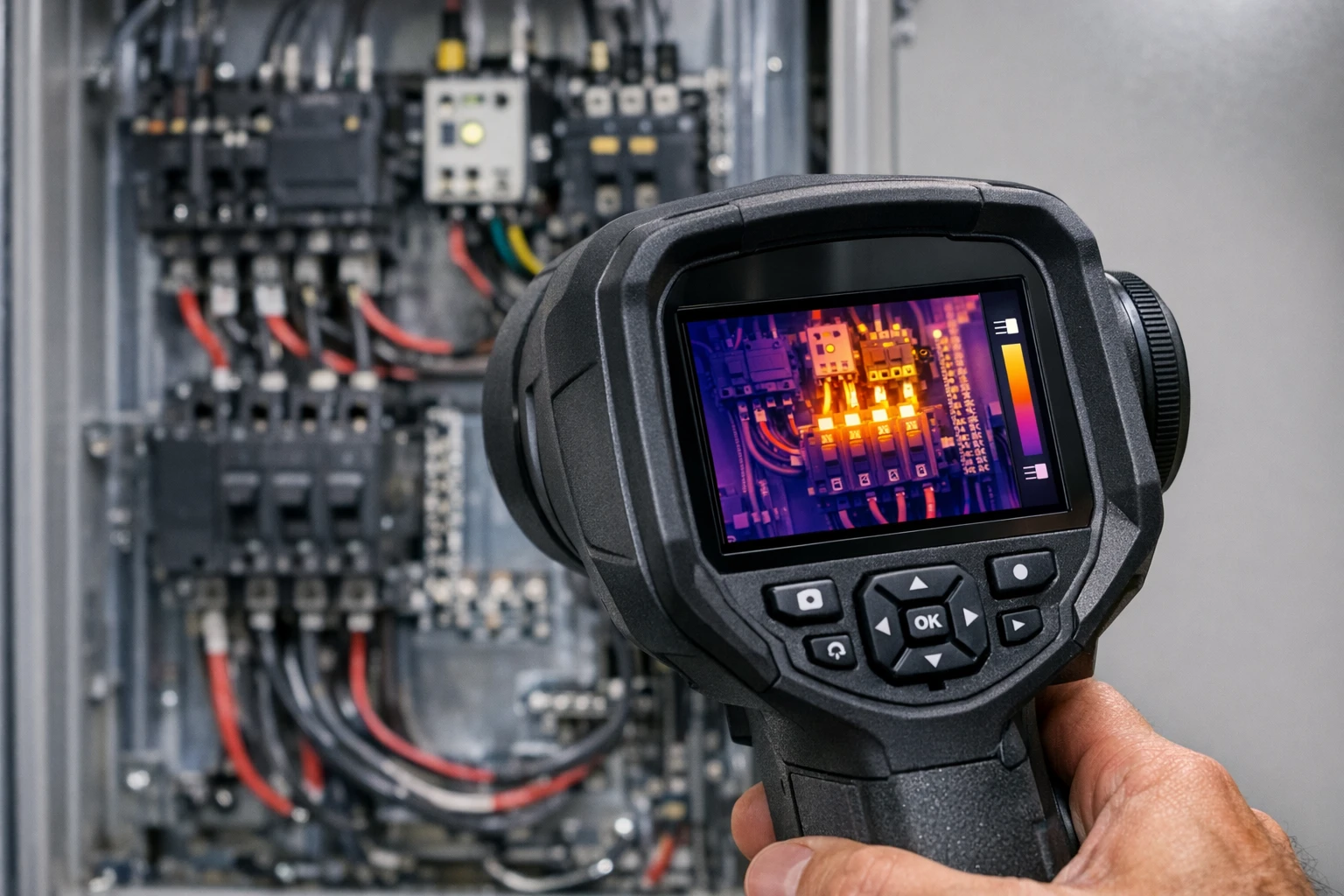
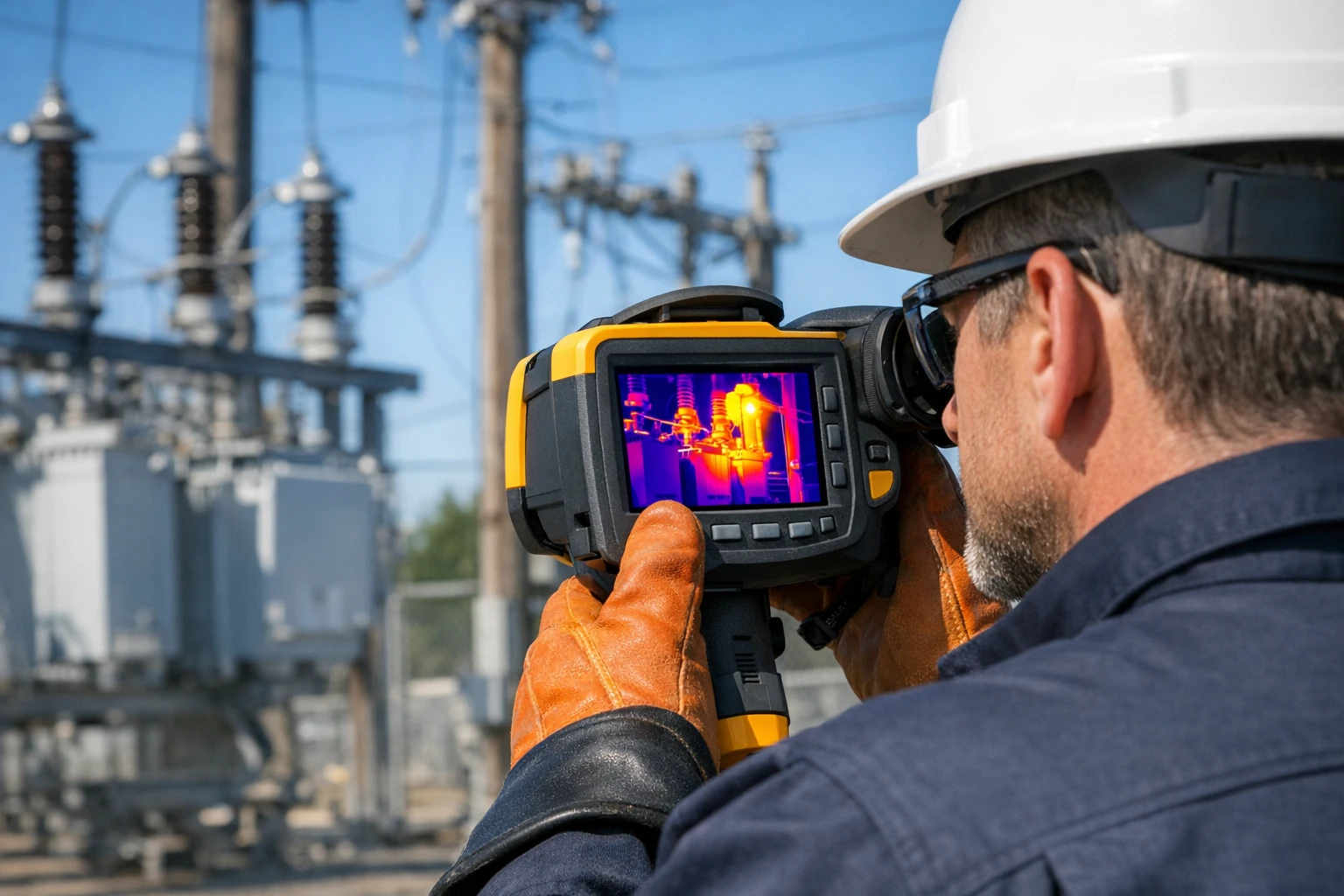
Infrared electrical thermography is a non-contact inspection method that uses thermal imaging to detect temperature anomalies in electrical systems. Unlike visual inspections that miss developing faults, thermal imaging cameras capture infrared radiation emitted by equipment, revealing hot spots, loose connections, and overloaded circuits before they cause failures. Our certified thermographers use calibrated thermal imaging cameras to scan energized electrical equipment across Connecticut manufacturing plants, commercial buildings, and industrial facilities — without requiring shutdowns or service interruptions.
Connecticut commercial and industrial facilities face unique electrical demands. From New Haven and West Haven manufacturing operations to Hamden data centers and Shelton warehouse complexes, businesses depend on reliable electrical systems to maintain productivity. Infrared thermography provides the early warning system that standard maintenance cannot. A loose connection in a Milford industrial panel or an overloaded circuit in a Bridgeport commercial building generates measurable heat long before it fails. Thermography detects these hot spots at the thermal stage, allowing facility managers to schedule corrective work before catastrophic failure, arc flash events, or electrical fires occur.
NFPA 70B (Recommended Practice for Electrical Equipment Maintenance) specifically recommends annual infrared inspection as the primary method for detecting electrical faults. Connecticut building codes increasingly align with these standards, and insurance carriers routinely require documented thermal imaging programs. Whether your facility is in Wallingford, Fairfield, or North Haven, regular infrared electrical testing protects your operations, meets compliance requirements, and delivers measurable ROI by preventing costly downtime and emergency repairs.
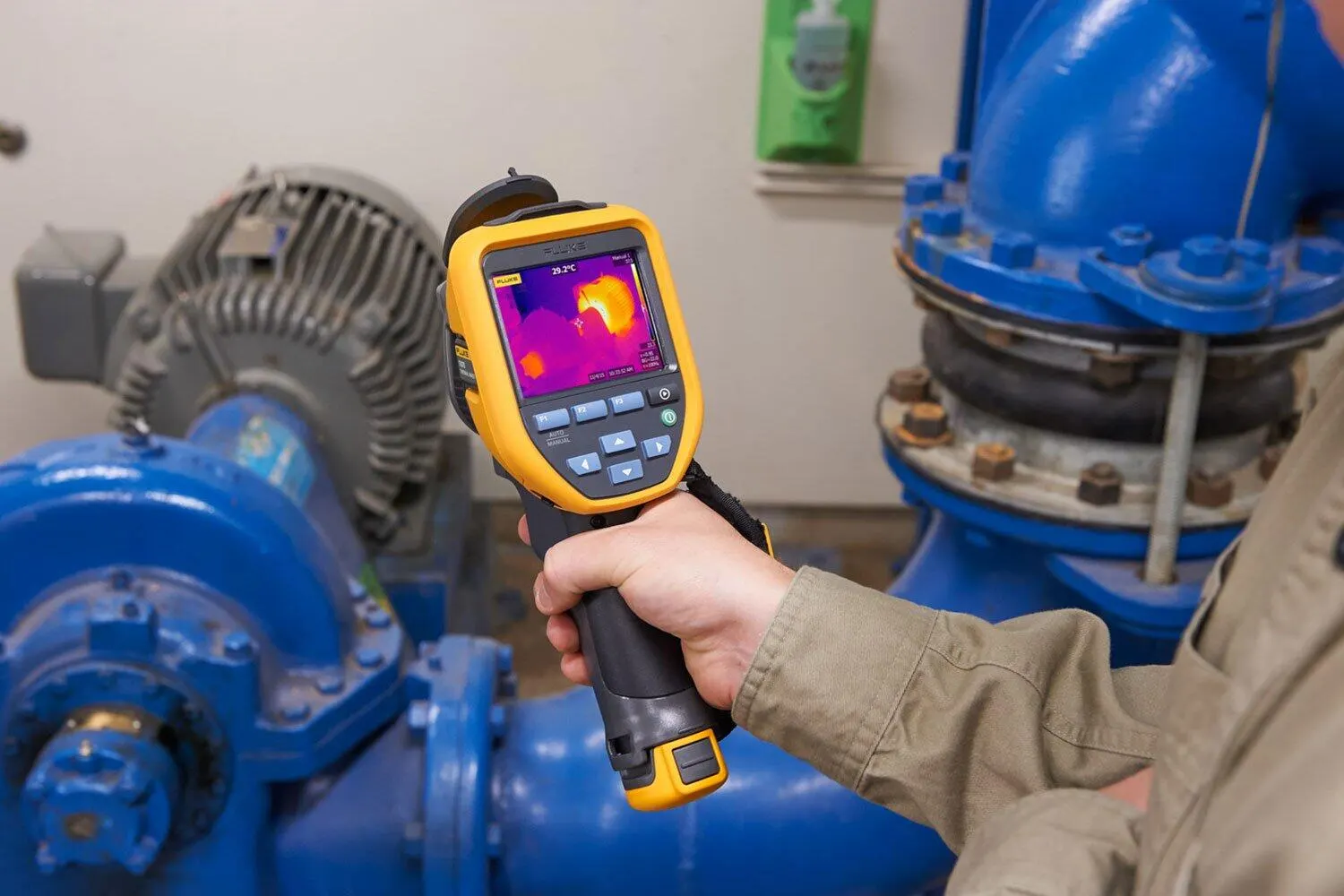
Our certified thermographers use calibrated thermal imaging cameras to detect electrical problems invisible to the naked eye — without shutting down your operations.
We use calibrated thermal imaging equipment built for commercial and industrial electrical inspections.
Our thermal imaging reveals problems that visual inspections miss — often preventing catastrophic failures.
High-resistance connections generate heat before they fail. We catch them at the thermal stage — before they cause arc flash, fire, or equipment damage.
Circuits running above rated capacity show up clearly on thermal imaging. We identify which circuits need load redistribution or upgrading.
Breakers, fuses, contactors, and disconnects all show thermal signatures before failure. Early detection means planned replacement, not emergency calls.
Unequal loading across three-phase systems wastes energy and damages equipment. Thermal imaging reveals the imbalance instantly.
Arc flash events can reach 35,000°F. Our infrared scans identify the conditions that lead to arc flash before an incident occurs.
70%+ of electrical fires start with a fault that thermal imaging can detect. Regular scanning is the most effective prevention available.
Over 70% of electrical fires originate from faults that thermal imaging can detect. Loose connections, overloaded circuits, and failing components generate measurable heat long before they ignite. Infrared thermography detects these dangerous hot spots during the thermal stage — when corrective action can prevent catastrophic fire events. For Connecticut manufacturing facilities along the I-95 corridor, commercial buildings in New Haven and Bridgeport, and warehouses in North Haven and Milford, thermal imaging represents the most effective electrical fire prevention tool available. Unlike reactive maintenance that only addresses failures after they occur, proactive thermography identifies hazards before they cause arc flash events that can reach 35,000°F or electrical fires that endanger lives and destroy facilities.
Insurance carriers increasingly recognize the value of documented infrared thermography programs. Many Connecticut businesses receive premium reductions or require thermal imaging for coverage renewal. Fire marshals and safety inspectors view annual thermal imaging as evidence of responsible electrical maintenance. NFPA 70B explicitly recommends annual infrared inspection as the primary detection method for electrical hazards. When combined with arc flash prevention protocols and preventive maintenance schedules, thermal imaging creates a comprehensive safety program that protects your employees, preserves your facility, and demonstrates due diligence to regulators and insurers.
Regular infrared thermography isn't just smart — it's increasingly required by code, insurance carriers, and OSHA. Connecticut facility managers from Waterbury to Branford rely on annual thermal imaging programs to stay compliant and protect their operations.
The National Fire Protection Association recommends annual infrared testing of all electrical systems. Learn more about NFPA 70B standards. Following NFPA 70B demonstrates due diligence and reduces liability.
OSHA requires employers to maintain safe electrical systems. Infrared testing provides documented proof of proactive maintenance and hazard identification.
Many insurance carriers offer premium discounts for facilities with documented infrared testing programs. Some require it for coverage renewal.
From manufacturing facilities in North Haven and Milford to commercial buildings in New Haven, Hamden, and Bridgeport — we provide infrared electrical testing and thermal imaging across New Haven County and Fairfield County. Whether you need a one-time thermography scan or an annual maintenance program, our certified thermographers serve all of southern Connecticut.
Fill out the form below and we'll get back to you within one business day — or call us now at 203-389-5112.